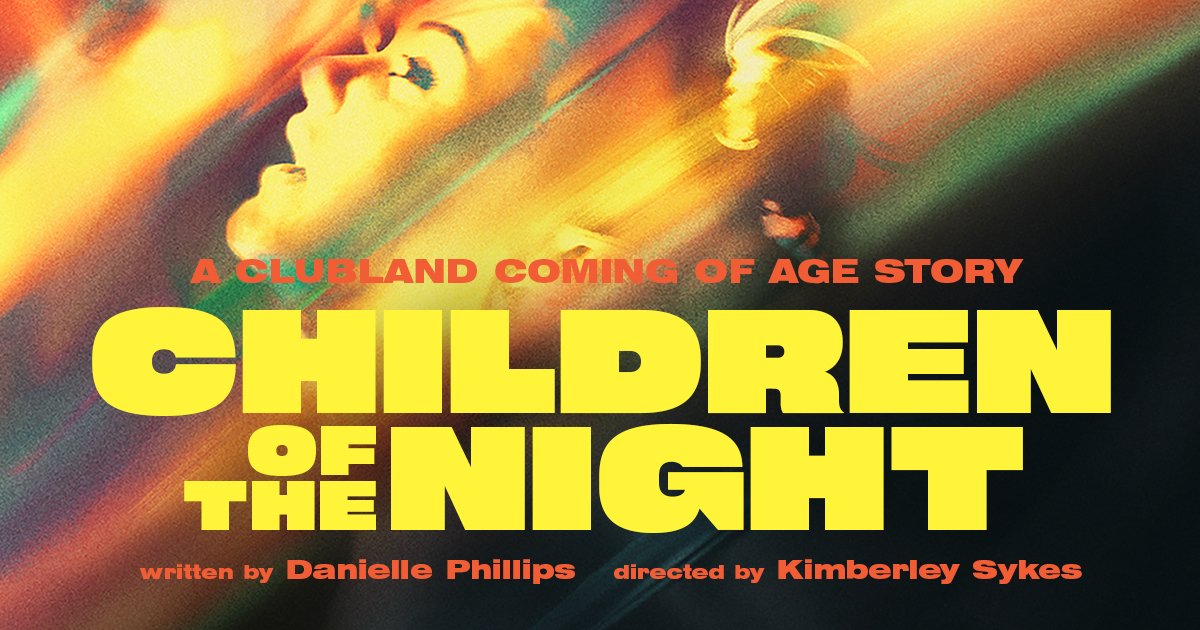
Writer: Danielle Phillips
Director: Kimberley Sykes
Reviewer: Christine Stanton
“Nineties Nightlife“
4 / 5
Lindsay has been counting down the days until she can finally go on a night out in her hometown of Doncaster. Her dad Terry has told her countless tales about the nightlife there, and finally, with her fake ID in hand, she’s going to be able to experience it first-hand with her best friend Jen.
It starts as a relatable, fun, light-hearted story of friendship – Lindsay (Danielle Phillips) and Jen (Charlotte Brown) excitedly getting ready for a night on the town, blasting pop tunes on the radio and hanging out the window for a sneaky cigarette in Jen’s mums house. Lindsay’s relationship with her father (Gareth Radcliffe) is also well established, as a single parent, he’s done well bringing her up and turning her into the independent young woman she’s becoming – their bond one of friendship as much as parental. The pre-drink energy and giggly anticipation before they end up at the club is infectiously endearing, and undoubtably makes the audience think back to their own teenage years of sweet-talking bouncers and make sure they’ve scraped together enough money for a cab home.
But the fun, buzzy energy slowly, but carefully transforms, taking the storyline down a much darker path. Lindsay starts feeling lost about her options in life – not off to college like Jen, stuck in a job she’s not bothered about and desperately looking for an outlet that quiets the anxiety that consumes her throughout the week. Occasional nights out turn into weekend long benders full of binge drinking and hook-ups with blokes whose name she doesn’t know, and her friendship with Jen starts slowly crumbling under the weight of the person she’s turning into. News headlines of a HIV outbreak in Doncaster send her mind spinning – but can she curtail her new hedonistic lifestyle or is she simply too far gone?
Phillips has crafted a brilliantly engaging storyline, the convincing chemistry between the characters a huge pull for what makes the narrative so gripping. The slow unravelling is cleverly outlined, making it easy for the audience to understand how Lindsay has ended up how she has, while simultaneously making her so likeable that you actively root for her to get through the other side. Phillips works a variety of nineties issues into the writing such as the abandonment of the North in Thatcher’s Britain, the flippant racism Jen experiences in their small, predominantly White-British town, and the shock that came with the announcement of the heterosexual HIV cluster. Despite the variety of some of these themes, and the expansive nature of the three on screen characters, the storyline consistently remains clear, enjoyable and never over-written.
Hannah Sibai’s set of various levelled boxes, filled with lit up neon tubing (Jessie Addinall) helps to swiftly, but sutbly change location from the stark White bathroom to the brightly lit disco-ball lighting. The constant climbing across boxes and up and down stairs keeps the energy engaging, though at points it does feel a little over-used. The same can be said with some of the more repetitive aspects of the script – such as the narration of the journey to and from town. While it’s nice to initially reference the pubs and street names as a Doncaster shoutout, or include things like the price of the taxi and pothole on the floor to signify the time and political impact on the North, referencing it all multiple times makes it drag on a bit, and detracts from the otherwise well flowing narrative.
The show is a clear tribute to the nineties, Doncaster, and nightlife as a whole. Ben McQuigg’s sound design naturally includes a brilliant nineties club soundtrack, that sets the atmosphere from the beginning and keeps the speakers pumping until the end in this energetic and enjoyable production.
Runs until 4th April 2026

 RatedReviewed
This was good. Although, I agree with you, it was unnecessarily repetitive at times and dragged on a bit!
LikeLike